Source High Strength Butyl Sealant for Transportation, Construction, and Machinery
Compare 28 listings for High Strength Butyl Sealant suitable for transportation, construction, and machinery applications. Buyers can evaluate specifications, pricing, and customization options from verified suppliers in China to find the right sealing solution for their specific industrial needs today.
Key considerations
Products List


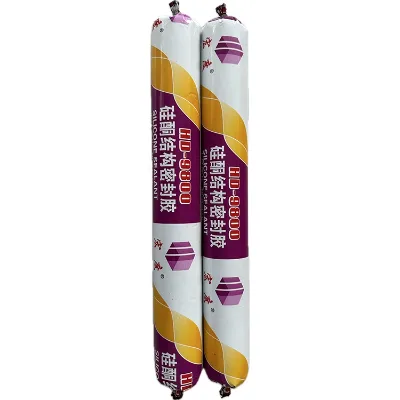
Comprehensive Sourcing Guide
High Strength Butyl Sealant Sourcing Guide
Procuring high-strength butyl sealant requires a nuanced understanding of material science and supply chain dynamics, particularly when sourcing from major manufacturing hubs like Henan and Hebei in China. Buyers must distinguish between pure butyl rubber formulations and composite variations, as the latter may incorporate aluminum or other reinforcing agents to enhance structural integrity. The observed market data indicates a diverse product landscape, ranging from standard black sealants to colorful variants and specialized strips, each serving distinct industrial needs. Understanding these material distinctions is critical for ensuring that the selected sealant meets the specific mechanical and chemical requirements of your application, whether it involves transportation, construction, or industrial manufacturing.
The sourcing process is further complicated by the variety of packaging and form factors available, including steel drums, cartons, and palletized rolls. This diversity suggests that buyers should not assume a one-size-fits-all approach to procurement. Instead, they must align their logistical capabilities with the supplier’s packaging standards, such as the observed 4 drums per carton or specific pallet configurations. Additionally, the presence of customization options in the market highlights the importance of clear communication regarding dimensions, colors, and bonding functions. By carefully evaluating these variables, buyers can mitigate risks associated with mismatched specifications and ensure that the final product integrates seamlessly into their existing production or construction workflows.
Product Scope and Observed Listing Signals
The current market for butyl sealants exhibits a wide range of product types, including polysulfide sealants, silicone-based compounds, and composite materials that blend butyl with aluminum. This variety reflects the adaptability of butyl technology to different bonding and sealing challenges, from pressure-sensitive adhesives to water-soluble inorganic materials. Buyers should note that while the core keyword emphasizes butyl, many listings may include hybrid formulations or alternative chemistries that offer similar performance characteristics. It is essential to verify the exact chemical composition of each product, as the presence of silicone or other polymers can significantly alter the sealant’s durability, flexibility, and resistance to environmental factors.
Observed listing signals reveal significant variation in physical attributes, such as shape, color, and drying time. For instance, products are available in irregular shapes, rolls, and specific dimensions like 30mm x 2mm x 360mm or 20mm x 1mm x 30cm. These physical specifications are crucial for applications requiring precise fitment, such as automotive glazing or window installation. Additionally, the availability of customization in width and length, ranging from 5cm to 100cm, indicates that suppliers are catering to specialized industrial needs. Buyers must carefully review these physical details to ensure compatibility with their machinery or construction methods, avoiding assumptions based solely on the product category name.
Technical Specifications to Verify
When evaluating technical specifications, buyers must prioritize the verification of material composition and bonding functionality. The market offers products with varying main agent compositions, including natural polymers and inorganic materials, which directly impact the sealant’s adhesion strength and longevity. It is critical to confirm whether the product relies on pressure-sensitive adhesive properties or requires a curing process, as indicated by drying times of up to 24 hours. Understanding these mechanical behaviors is essential for selecting a sealant that can withstand the specific stresses of your application, whether it involves dynamic movement in transportation or static sealing in construction projects.
Dimensional accuracy and packaging integrity are also key technical factors that require rigorous verification. Suppliers may offer products in various standard sizes, such as 300ml capacities or specific strip dimensions, but buyers should confirm that these measurements are consistent with their operational requirements. Furthermore, the choice of packaging, whether in steel drums, boxes, or pallets, can influence the product’s shelf life and ease of handling. Buyers should request detailed technical data sheets that specify the exact dimensions, weight, and packaging configuration for each SKU to prevent discrepancies during delivery and ensure that the sealant performs as expected in real-world conditions.
Compliance and Safety Documentation
Compliance with international standards is a non-negotiable aspect of sourcing high-strength butyl sealants, particularly for industries with strict regulatory requirements. Buyers should verify that suppliers hold relevant certifications, such as ISO, which indicates adherence to quality management systems. While some listings may mention CE certification, this should be treated as a background signal rather than a guaranteed fact, requiring direct confirmation from the supplier. Ensuring that the product meets regional safety and environmental regulations is crucial for avoiding legal liabilities and ensuring that the sealant can be used in sensitive applications without posing health or environmental risks.
Safety documentation should also include detailed information on the product’s chemical composition and handling instructions. Given the variety of materials available, from silicone to composite blends, buyers must ensure that the sealant does not contain hazardous substances that could compromise worker safety or product integrity. Requesting Material Safety Data Sheets (MSDS) is essential to understand the product’s flammability, toxicity, and disposal requirements. By prioritizing comprehensive safety documentation, buyers can protect their workforce and maintain compliance with occupational health and safety standards, thereby fostering a safer and more responsible procurement environment.
Cost Drivers and Commercial Terms
Cost structures for butyl sealants are influenced by several factors, including material composition, packaging complexity, and order volume. The observed price range of $0.3 to $30 USD reflects the diversity in product types and quantities, from small retail packs to bulk industrial drums. Buyers should analyze how these variables impact the total cost of ownership, considering not just the unit price but also shipping, handling, and storage costs associated with different packaging formats. Understanding these cost drivers allows buyers to negotiate more effectively and identify opportunities for savings without compromising on quality or performance.
Minimum Order Quantities (MOQs) typically range from 50 to 10,000 units, offering flexibility for both small-scale and large-volume purchasers. Buyers should align their order sizes with their consumption rates to avoid excessive inventory holding costs or stockouts. Additionally, the availability of customization services may incur additional fees, which should be factored into the overall budget. By carefully evaluating commercial terms, including MOQs, pricing tiers, and customization costs, buyers can optimize their procurement strategy to achieve the best balance between cost efficiency and operational flexibility.
Supplier Qualification and Quality Control
Supplier qualification is a critical step in ensuring the reliability and consistency of high-strength butyl sealant supplies. Buyers should conduct thorough due diligence to verify the supplier’s manufacturing capabilities, quality control processes, and track record in the industry. Given the observed origins in Henan and Hebei, China, buyers should assess the supplier’s ability to maintain consistent product quality across different batches and production runs. This includes verifying their adherence to stated standards and their capacity to meet specific customization requests without compromising on material integrity or performance.
Quality control measures should extend beyond initial sampling to include ongoing monitoring of product performance and supplier responsiveness. Buyers should establish clear communication channels for addressing any discrepancies or issues that arise during delivery or usage. Additionally, implementing a robust inspection protocol, such as third-party quality audits or regular sample testing, can help identify potential problems early and prevent costly disruptions. By prioritizing supplier qualification and rigorous quality control, buyers can build a resilient supply chain that supports their long-term operational goals and maintains high standards of product reliability.
Long-Term Procurement Checks
Long-term procurement success depends on continuous evaluation of supplier performance and market trends. Buyers should regularly review key performance indicators, such as delivery times, product consistency, and customer service responsiveness, to ensure that their suppliers remain aligned with their evolving needs. This ongoing assessment helps identify potential risks and opportunities for improvement, allowing buyers to make informed decisions about contract renewals or supplier diversification. By maintaining a proactive approach to supplier management, buyers can mitigate risks and ensure a stable supply of high-strength butyl sealants.
Additionally, staying informed about advancements in sealant technology and regulatory changes is essential for maintaining a competitive edge. Buyers should engage with industry experts and participate in relevant forums to gain insights into emerging trends and best practices. This knowledge enables them to anticipate market shifts and adapt their procurement strategies accordingly. By combining continuous performance monitoring with strategic market intelligence, buyers can optimize their sourcing efforts and secure a reliable, cost-effective supply of high-strength butyl sealants for their operations.
FAQs
What is the chemical composition of the High Strength Butyl Sealant?
The product features a composite material composition including butyl and aluminium components. Some variants utilize silicone or inorganic materials depending on the specific model. This ensures durability for industrial and construction applications while maintaining mildew proof properties for long-term performance.
Which certifications are available for these sealant products?
Available products hold ISO certification to ensure quality standards are met. This certification applies to various models like NSHW-LB and RT135. Buyers can verify these credentials when sourcing from manufacturers in Henan or Hebei regions for reliable industrial supply chains.
How is the product packed for shipping and storage?
Packaging options include steel drums, cartons, and pallets depending on the specific product model. Some items are packed as four drums per carton while others use standard boxes. Customizable packing solutions are available to meet diverse logistical requirements for transportation and industrial manufacturing sectors.
Can the sealant be customized for specific project needs?
Yes, customization is available for various product attributes including dimensions and colors. Buyers can request specific widths ranging from 5cm to 100cm or different lengths. This flexibility supports unique requirements in automobile, machinery, and door and window applications across global markets.
What are the typical drying times for the sealant?
The standard drying time for the product is approximately 24 hours under normal conditions. This timeframe ensures proper curing for bonding functions in both indoor and outdoor environments. Users should plan their project schedules accordingly to accommodate this setting period for optimal adhesion results.
Which industries commonly use this High Strength Butyl Sealant?
Common usage sectors include transportation, industrial manufacturing, and construction projects. The sealant is also suitable for automobile, machinery, and door and window applications. Its versatility makes it ideal for footwear and leather industries as well as general bonding tasks requiring weatherability and pressure-sensitive adhesion.